BLANK TITLE
  • Home
  • Meet the Team
  • EVERYTHING YOU NEED TO KNOW ABOUT ADHD
    • What is ADHD?
    • Treatment
    • How do ADHD Meds Work?
    • Whats it like to live with ADHD?
    • Attention deficit?
    • Hyperactivity/impulsivity
    • Staying Focused
    • The Wandering Mind
    • The Procrastination Station
    • Organisation
    • Managing tasks and time
    • Work and Study
  • Diagnosis
  • Is ADHD a Disability?
  • Community Meet Up
  • STEPS & PX2
  • Training Sessions ADHD in the Workplace
  • To Donate
  • GALA/AUCTION 2025
  • Contact
Picture
Picture
ADHD Treatment: A Comprehensive Guide

Medication

Medication is often a key component of ADHD treatment.

There are two main types of medications used:
  • Stimulants: These are the most commonly prescribed medications for ADHD​ and include drugs such as methylphenidate and amphetamines. Stimulants help increase attention and decrease impulsivity and hyperactivity in individuals with ADHD.
  • Non-Stimulants: These medications, such as atomoxetine (Strattera) and guanfacine (Intuniv), can be prescribed if stimulants are not effective or cause unwanted side effects.


Picture
Behavioral Therapy

Behavioral therapy focuses on modifying negative behaviors and developing positive coping strategies. It can be particularly effective for children with ADHD and may involve:
  • Parent Training: Parents learn techniques to manage their child's behavior, establish routines, and provide positive reinforcement.
  • Classroom Interventions: Teachers implement strategies to help students with ADHD stay focused and organized.
  • Individual Therapy: Helps individuals develop organizational skills, time management, and problem-solving abilities.

Cognitive Behavioral Therapy (CBT)

​CBT is a type of psychotherapy that helps individuals with ADHD develop skills to manage their symptoms. It focuses on changing negative thought patterns and behaviors, improving self-esteem, and developing coping strategies.

Educational Support

Educational support is essential for children with ADHD to succeed academically. This may include:
  • Individualized Education Plans Tailored to meet the specific needs of the child.
  • Provide accommodations such as extra time on tests, modified assignments, and preferential seating


​
 Lifestyle and Home Strategies

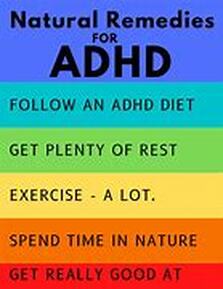
Certain lifestyle changes can complement other treatment options:
  • Structured Routines: Establishing consistent daily routines can help individuals with ADHD manage their time and tasks more effectively.
  • Healthy Diet: A balanced diet can support overall health and well-being.
  • Regular Exercise: Physical activity has been shown to improve attention and reduce hyperactivity and impulsivity.

Finding the Right Treatment

​It's important to remember that ADHD treatment is not one-size-fits-all. A combination of medication, therapy, and lifestyle changes is often the most effective approach. Consulting with healthcare professionals, such as doctors, psychologists, and educational specialists, can help determine the best treatment plan for each individual


Site powered by Weebly. Managed by Channel Island Hosting
  • Home
  • Meet the Team
  • EVERYTHING YOU NEED TO KNOW ABOUT ADHD
    • What is ADHD?
    • Treatment
    • How do ADHD Meds Work?
    • Whats it like to live with ADHD?
    • Attention deficit?
    • Hyperactivity/impulsivity
    • Staying Focused
    • The Wandering Mind
    • The Procrastination Station
    • Organisation
    • Managing tasks and time
    • Work and Study
  • Diagnosis
  • Is ADHD a Disability?
  • Community Meet Up
  • STEPS & PX2
  • Training Sessions ADHD in the Workplace
  • To Donate
  • GALA/AUCTION 2025
  • Contact